Uncover Gin Tasting Notes for the Perfect Sipping Journey
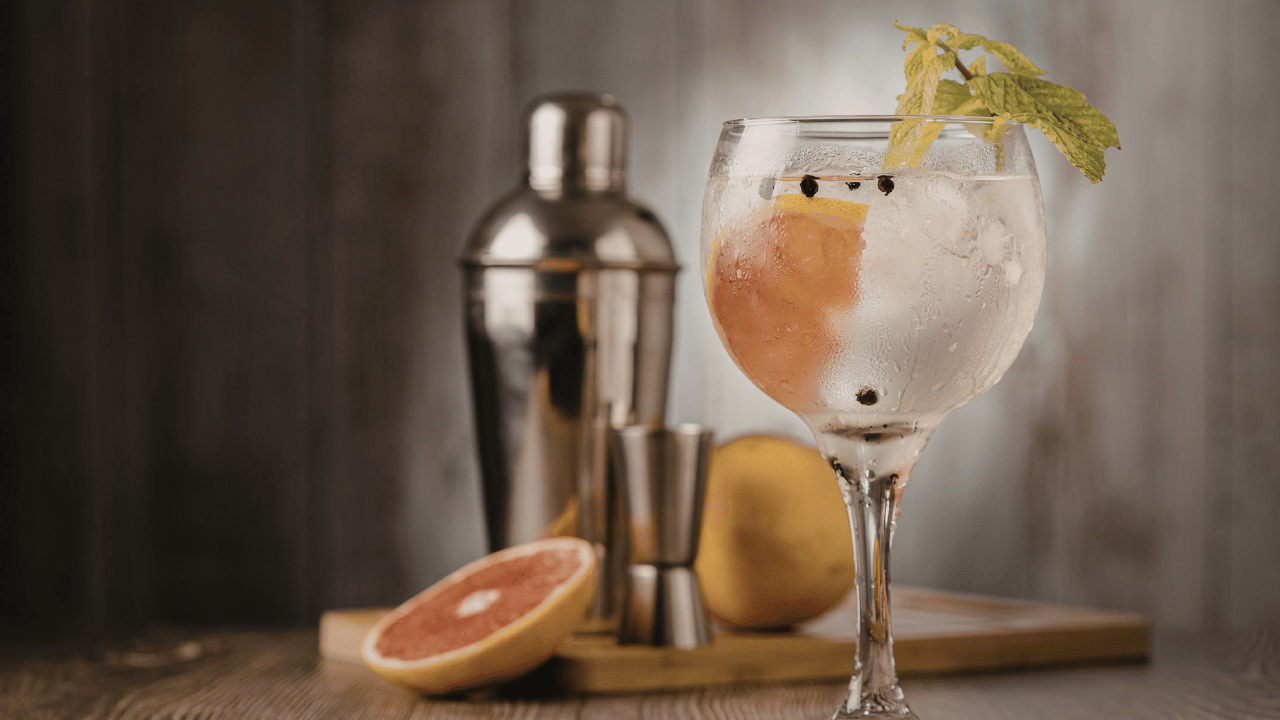
Every fantastic gin adventure kicks off with pinpointing its flavor profile, turning simple sips into a sophisticated sensory journey. By diving into gin tasting notes and recommendations, you’ll discover how juniper, citrus, floral, and spice botanicals dance together to create unique tastes. Plus, you’ll find out where to snag top picks right here at Whiskey Tangos in Ozark, MO. Let’s get your palate educated and unlock the intricate universe of gin.
TL;DR
Understand key gin flavor profiles: juniper, citrus, floral, and spice.
Learn about essential botanicals shaping classic and modern gins.
Discover expert tasting techniques to enhance your gin experience.
Explore different gin styles and their unique flavor characteristics.
Find local Ozark distilleries and events to deepen your gin knowledge.
Get tips on pairing gins with cocktails and garnishes for perfect balance.
What Are the Main Gin Flavor Profiles You Should Know?
Pinpointing the core gin flavor profiles makes choosing your next bottle a breeze, connecting tasting notes to their botanical roots and guiding you toward the perfect pairings for maximum enjoyment.
Gin flavor profiles generally fall into distinct camps, based on their star botanicals and the tastes they bring.
Each profile signals a different tasting experience and hints at the best ways to enjoy it, whether neat or in a cocktail. Getting a handle on these categories sets you up for deeper dives into botanicals and hands-on tasting techniques.
Which Botanicals Are the Stars of Classic and Modern Gin Flavors?
Classic gin flavors are built on a foundation of juniper and coriander, while modern gins aren't afraid to play with exotic spices, fruits, and herbs. The must-haves include:
Juniper berries for that essential piney backbone
Coriander seeds for a spicy, citrusy kick
Angelica root for an earthy, grounding note
Orris root for a touch of floral elegance
Citrus peels (think lemon, orange, grapefruit) for bright top notes
A dash of the unexpected, like cardamom, saffron, or cucumber
This mix of classic and creative botanicals is what sets apart a traditional London Dry from today’s cutting-edge craft gins.
How Botanicals Are the Secret Sauce to Gin's Flavor
Juniper berries aren't just a suggestion; they're legally required and give gin its signature piney, resinous character. Other key players like coriander seeds bring spicy, citrusy notes, while angelica root provides an earthy stability. Citrus peels add those vibrant top notes, and floral or spicy botanicals layer in aromatic complexity and a pleasant warmth.
This insight perfectly backs up our deep dive into gin's flavor profiles and the specific botanicals that craft them, reinforcing juniper's foundational role and the exciting contributions of other ingredients.
How Do Juniper, Citrus, Floral, and Spicy Notes Shape How Gin Tastes?
Juniper lays down that unmistakable pine and resin base that defines gin. Citrus peels hit you with immediate brightness and a clean zestiness on the palate. Floral notes, like rose or licorice flower, add smooth aromatics and a softer mouthfeel. Spicy botanicals think cardamom, black pepper, cinnamon bring warmth and depth that linger from the mid-palate to the finish. Together, these elements create a beautifully balanced structure that guides your tasting experience and makes them perfect for cocktails.
What Sets Juniper-Forward, Citrus-Led, and Floral Gins Apart?
Juniper-forward gins deliver robust, evergreen notes with a crisp finish, making them ideal for a classic martini. Citrusy gins offer vibrant lemon or orange zest flavors that cut through the bitterness of tonic. Floral gins showcase delicate aromas rose, elderflower, chamomile perfect for lighter cocktails and refreshing spritzes. Each style practically begs for a specific garnish: a sprig of pine for juniper, a citrus twist for zesty gins, and edible petals for floral creations.
How Do Flavor Profiles Change Your Gin Tasting Experience?
Knowing what flavor profile speaks to you makes every sip more satisfying. Juniper fans will zero in on that clean, resinous clarity, while citrus lovers will savor those zingy top notes. Floral enthusiasts will delight in the subtle aromatics, and spice seekers will appreciate the warming finish. This clarity boosts your confidence when browsing our carefully selected gin collection and ensures every tasting note you jot down helps you find your next favorite bottle.
How to Taste Gin Like a Pro: Your Step-by-Step Expert Guide
A professional gin tasting approach combines visual, aromatic, and palate assessments to capture precise tasting notes and recommendations that truly elevate your spirits experience.
Start your sensory evaluation with the right setup and environment before moving through appearance, aroma, tasting layers, and how dilution affects the spirit. This structured method unlocks hidden complexities and helps you make smarter choices when you shop at Whiskey Tangos.
Sensory Analysis and Expert Tasting Methods for Gin
Sensory analysis is a scientific field dedicated to evoking, measuring, analyzing, and interpreting responses to the characteristics of foods and beverages, including gin. Trained experts evaluate attributes like juniper and coriander, alongside other subtle nuances, to map out a gin's sensory profile. Simple techniques, like adding a drop of water, can actually help release aromas and mellow the alcohol’s intensity.
This research validates our step-by-step expert tasting guide by underscoring the science behind sensory evaluation and why a structured approach is key to nailing those precise tasting notes.
What Gear and Glassware Make Gin Tasting Better?
A tulip-shaped glass to concentrate those botanical aromas
A small pitcher of room-temperature water for controlled dilution
Plain crackers or water-based palate cleansers to reset your taste buds
A tasting mat or journal to keep your notes organized
Neutral-flavored ice to see how dilution changes things
These tools ensure you get a consistent, repeatable analysis of each botanical layer and how the flavors evolve.
How Do You Check Out Gin’s Appearance and Clarity?
Start by looking at the color, viscosity, and clarity against a white background. You’re looking for crystal-clear transparency or perhaps subtle golden hints if it’s barrel-aged. Give it a gentle swirl and watch the "legs" or "tears" that form – these can indicate glycerol content and mouthfeel. This initial visual check sets the stage for what to expect from the aroma and body.
What Are the Best Ways to Smell Gin and Pick Out Aromas?
Begin with a gentle sniff without swirling to catch the most volatile top notes. Then, give it a subtle swirl and sniff again to uncover the mid-palate botanicals. Pay attention to distinct scents: juniper’s pine, zesty citrus, herbal coriander, warm cardamom, or delicate floral notes like lavender. Make a note of each scent layer before you taste to sharpen your memory and improve your tasting accuracy.
Which Gin Styles Should You Explore? Understanding Gin Types and Their Flavor Profiles
Exploring the wide world of gin styles helps you match botanical profiles to your personal tastes and how you plan to use them in cocktails, boosting your confidence in discovering new products and making purchases.
From the classic London Dry to innovative barrel-aged and flavored gins, each style offers a unique flavor structure designed to appeal to different palates and occasions.
What Defines London Dry, Old Tom, Plymouth, and Navy Strength Gins?
London Dry Gin: No added sugar, a crisp juniper punch, perfect for classic martinis.
Old Tom Gin: A touch of sweetness, a richer mouthfeel, great for sweeter cocktails like the Tom Collins.
Plymouth Gin: More earthy root notes, balanced citrus, a protected style hailing from Plymouth, England.
Navy Strength Gin: Higher proof (57%+ ABV), bolder botanical flavors, historically used to prove spirit quality.
These foundational styles are the bedrock upon which modern gin innovation is built.
How Do New Western Dry and Barrel-Aged Gins Taste Different?
New Western Dry gins dial back the juniper focus, instead highlighting citrus, floral, or exotic botanicals to create entirely new flavor profiles. Barrel-aged gins pick up notes of oak, vanilla, and spice from their time in casks, bridging the gap between gin and whiskey for a richer, more complex sipping experience.
What Are the Essential Gin Botanicals and How Do They Influence Flavor?
Essential botanicals are the building blocks of gin’s identity, providing the characteristic aromas and tastes that define each style and tasting note.
Juniper’s dominant pine and resin notes anchor every gin, while the supporting cast of ingredients fine-tunes the complexity and mouthfeel.
The Science Behind Gin's Flavors: Chemical Fingerprints and Volatile Compounds
Sophisticated analytical tools, like ultrahigh-resolution Fourier transform ion cyclotron resonance mass spectrometry, have identified a multitude of volatile and nonvolatile compounds in commercial gins. These compounds, including monoterpenes, sesquiterpenes, and terpenoids, primarily come from juniper berries and other botanicals, contributing significantly to the spirit's intricate aroma profiles.
This research provides solid scientific backing for our discussion on how botanicals shape gin's taste, detailing the specific chemical compounds responsible and how they're identified using modern analytical methods.
Why Is Juniper the Defining Botanical in Gin?
Juniper berries provide the essential piney, resinous backbone that legally distinguishes gin from other spirits. Their evergreen aromas guide our initial perception and establish that familiar "gin" character. Juniper’s terpenes also play a role in enhancing botanical extraction during distillation, amplifying the overall clarity of the aroma.
How Do Coriander, Angelica Root, and Citrus Peels Add Depth?
Coriander Seeds: A dance of citrus and spice, adding zesty warmth and herbal depth.
Angelica Root: An earthy, musky foundation that binds volatile oils and stabilizes the overall flavor.
Citrus Peels (Lemon, Orange, Grapefruit): Bright top notes that energize the palate and balance juniper’s inherent bitterness.
These botanicals form the crucial supporting cast around juniper’s leading role.
How Can Gin Tasting Notes Elevate Your Cocktail Game?

Applying your tasting notes directly to cocktail creation enhances drink balance and highlights the unique strengths of each gin.
By matching a gin’s botanical emphasis to the cocktail’s profile, you can craft harmonious drinks that showcase both the spirit and the garnish in perfect synergy.
Which Gins Pair Best with Classic Cocktails Like Martinis and Negronis?
Martini: Reach for a dry London Dry (like Beefeater) for crisp pine and a clean interplay with vermouth.
Negroni: Go for a citrus-forward gin (like Tanqueray) to brighten up the Campari's assertive bitterness.
Gin Fizz: An Old Tom style adds a subtle sweetness that plays beautifully with fresh lemon and soda.
How Do Flavor Profiles Influence Gin and Tonic Pairings?
Citrusy gins shine with light, floral tonics; juniper-forward gins hold their own against robust, quinine-rich Tonic Water; spicy gins are fantastic with Mediterranean-style garnishes like rosemary or thyme. Matching the tonic's intensity and the garnish to the gin's botanical focus really amplifies every tasting note.
What Are Some Creative Gin Cocktail Recipes to Try at Home?
Lavender Gin Lemonade – Use a floral gin, fresh lemon juice, and a touch of lavender syrup.
Spiced Clover Club – Opt for a spicy gin, raspberry syrup, and top with a silky egg white foam.
Cask-Finish Negroni – Swap in a barrel-aged gin for a standard one to introduce a lovely oaky nuance.
What Are the Best Gins for Beginners and How to Kickstart Your Gin Journey?
Choosing approachable gins with gentle botanical profiles helps build early appreciation and confidence behind the bar.
Start with milder expressions and simple tasting rituals to build a solid foundation before you venture into more complex styles.
Which Gins Have Smoother, More Welcoming Flavor Profiles?
Gordon’s London Dry – A well-balanced juniper profile with subtle citrus undertones.
Beefeater London Dry – Crisp pine notes, moderate spice, and widely available.
Tanqueray Flor de Sevilla – Features a soft orange aroma and a hint of sweetness.
How Should Beginners Taste and Enjoy Gin?
First, check out its clarity and color.
Gently sniff it without swirling.
Take a small sip, noticing the initial brightness.
Swallow and pay attention to the botanicals that emerge on the mid-palate.
Add a single ice cube or a drop of water to see how new aromas are released.
What Are Simple Serving Suggestions for New Gin Drinkers?
Gin & Tonic: A 1:3 ratio, finished with a lime wedge garnish
Gin & Soda: Simple soda water, a twist of lemon
Gin Spritz: Prosecco, tonic, and a slice of grapefruit
Where Can You Find Local Gin Brands and Events in Ozark, MO?
Connecting with local distilleries and community tastings will deepen your gin knowledge and support regional craftsmanship.
Ozark boasts a growing craft gin scene here’s where you can jump in.
Which Local Distilleries and Craft Gins Are Available in Ozark?
Ozark Valley Spirits – A pine-forward dry gin featuring regional botanicals.
Sugar Creek Distillery – A citrus-led gin infused with locally sourced grapefruit.
Ozark Mountain Craft – A gin with floral accents, highlighting lavender and elderflower.
How Do Local Gin Tasting Events Enhance Your Spirits Experience?
Tasting events offer hands-on learning guided by experts, allowing you to compare flavor profiles side-by-side, experiment with garnishes, and chat with distillers about their botanical sourcing. These immersive experiences sharpen your palate and help you build community connections.
How Can You Join Whiskey Tangos’ Gin Workshops and Tastings?
Sign up for upcoming sessions on our Events page to join guided tastings led by our knowledgeable specialists. Each workshop includes a flight of carefully selected gins, tasting note worksheets, and pairing suggestions perfect for both seasoned enthusiasts and curious newcomers.
What Unique Flavors Do Ozark’s Local Gins Offer?
Local gins often incorporate regional botanicals like blackberries, elderberry, or wild mint to deliver truly Ozark-inspired profiles. Exploring these unique expressions reveals how the synergy of place and ingredients shapes tasting notes and elevates your next cocktail creation.
Shop Perfect Gin Now
Developing a nuanced gin palate transforms every purchase into a meaningful discovery and every cocktail into a carefully crafted experience. From mastering botanical profiles to exploring local craft distilleries right here in Ozark, MO, your journey is supported by expert tasting notes, personalized guidance, and engaging community events at Whiskey Tangos. Start your exploration today and elevate your spirits experience to new heights. Follow us on Instagram or Facebook for the latest updates and tasting tips.