
The Ideal Food and Drink Pairings for Better Taste

Pairing food and drink is a hands-on craft that lifts a meal from good to memorable. This guide lays out clear principles and practical tips for matching craft beer, wine, bourbon, and other spirits with everything from weeknight dinners to dessert service. You’ll learn how intensity, acidity, tannin, sweetness, and mouthfeel affect a pairing, then put that knowledge to work across craft beer styles, dinner wines, bourbon-and-dessert combinations, and even tobacco-and-spirit sessions. Each chapter includes quick-reference tables, style-by-style examples, and step-by-step hosting advice so you can plan tastings or dinner pairings with confidence. Throughout, we point to local discovery and curated bottle recommendations from Whiskey Tango's Beer and Spirits so you can find the right bottles to sample, whether you prefer local craft beer, classic wine matches, or bourbon-forward desserts.
TL;DR
Master Core Principles: Match intensity, balance opposing elements, and consider texture.
Understand Flavor Components: Acidity, tannin, sweetness, bitterness, and umami dictate interactions.
Beer Pairings: Align bitterness, malt, body, and carbonation with food flavors (e.g., IPAs with spicy, stouts with smoked meats).
Wine Pairings: Match body, tannin, acidity, and oak to protein, sauce, and richness (e.g., tannic reds with steak, high-acid whites with seafood).
Spirit Pairings: Balance sweetness, oak, and proof with dish richness (e.g., bourbon with chocolate, rum with tropical flavors).
Host with Confidence: Plan themed tastings with controlled pours, clear notes, and palate cleansers.
Explore & Experiment: Personal preference often leads to the most memorable matches.
Local Support: Whiskey Tango's Beer and Spirits offers curated selections and event guidance.
Core Principles of Food & Drink Pairing
Successful pairing comes down to matching intensity, balancing opposing elements, and thinking about texture so both the plate and the glass can shine. Matching intensity means light dishes need lighter drinks while hearty plates call for fuller-bodied wines, beers, or spirits; similar strength keeps one component from overpowering the other. Complementary pairs amplify shared notes, think buttery Chardonnay with roast chicken, whereas contrasts like a zippy Sauvignon Blanc cutting through a creamy sauce create dynamic balance. Don’t forget mouthfeel: carbonation refreshes fatty foods, tannin binds with protein and fat, and sweetness can soothe spicy heat.
Principles of Flavor Matching: Similarity, Contrast, and Synergy in Food and Drink Pairing
This review summarizes strategies for sequencing and combining taste sensations when designing meals or matching food and drink. It considers chemical and psychological factors and evaluates three broad pairing strategies: similarity (matching items with common flavor compounds), contrast (pairing intentionally different flavors), and synergy (combinations that create new, harmonious experiences).
How Flavor Components Affect Pairing
Acidity, tannin, sweetness, bitterness, and umami steer how a beverage interacts with food because they change taste perception and mouthfeel. High-acid wines or beers brighten fatty dishes and give a cleansing lift that reduces perceived greasiness. Tannic reds mellow when served with protein; tannin binds to protein and softens mouth-coating fat. Sweetness complements desserts and can cool spicy dishes, while bitterness and hops emphasize roasted savory notes and cut through richness. When you understand these mechanics, you can pick a drink because you know why it works, not just out of habit, and apply the next set of practical rules across beer, wine, and spirits.
Key Rules for Matching Food with Beer, Wine and Spirits
Keep pairing simple: match intensity first, decide whether to complement or contrast, then fine-tune with temperature, carbonation, and glassware. For beer, carbonation and hops refresh the palate and pair well with fried or spicy foods; for wine, tannin pairs with protein and acidity pairs with bright or fatty dishes; for spirits, proof and oak change sweetness and weight, important for dessert matches. When rules conflict, prioritize the dominant element of the dish, spice, fat, or acid, and choose the beverage that either harmonizes or acts as a deliberate foil. Taste and context matter, so feel free to experiment; personal preference often justifies bending the rules for a more memorable match.
Basic pairing priorities you can use right away: Match intensity: Light foods with light drinks; rich foods with fuller-bodied beverages. Balance or contrast: Decide whether you want to amplify shared flavors or create tension that makes both items pop. Mind texture and temperature: Factor in carbonation, mouthfeel, and serving temperature when you finalize a pairing.
These simple priorities make quick evaluations easy and lead into the style-specific beer and wine guidance below.
How to Pair Craft Beer with Food: Match Styles to Flavors
Craft beer works best when you line up a beer’s bitterness, malt sweetness, body, and carbonation with a dish’s flavor and texture. IPAs, with assertive hop bitterness and citrus or resinous aromatics, cut through spicy or fatty foods; stouts and porters, with roasted malt and chocolate notes, are natural with smoked meats and desserts. Crisp pilsners and lagers, thanks to effervescence and low bitterness, refresh the palate and pair well with seafood and salads. Saison and farmhouse ales bring fruity esters and peppery phenols that pair nicely with herb-forward dishes and rustic cheeses, showing how yeast character can match complex savory flavors.
What Foods Work Best with Popular Craft Beer Styles?
IPAs shine with spicy Asian dishes, curry, and sharp cheeses because hop bitterness and citrus lift and tame chili heat and rich fats: try one with Sichuan dishes or chicken tikka. Stouts pair beautifully with smoked ribs, chocolate desserts, and blue cheese; their roasted, cocoa-like notes bridge savory and sweet. Pale ales and amber ales balance burgers, pizza, and roasted vegetables by echoing caramelized flavors and adding moderate hop spice. These examples show the mechanics: hops cleanse, malt sweetness echoes caramelized notes, and carbonation refreshes between bites.
Wine Pairing Guides for Dinners and Special Occasions
Wine pairing for a dinner or special event hinges on body, tannin, acidity, and oak and how those elements match a dish’s protein, sauce, and richness. Bold, tannic reds (think Cabernet-style wines) pair naturally with grilled steaks and roast meats because tannin interacts with protein and fat to soften astringency. High-acid whites and dry sparkling wines cut through rich, creamy sauces and shellfish dishes, while sweeter wines are ideal with fruit-forward desserts or spicy cuisine where a little residual sugar balances heat. Glassware, serving temperature, and decanting also matter; they can refine a pairing and lift the dining experience.
Pairing Red Wine with Steak, Pasta and Rich Dishes
Tannic reds smooth mouthfeel and enhance savory structure: for example, a Cabernet-style wine lifts a well-marbled steak by working with protein and fat to reduce perceived bitterness and emphasize savory notes. For tomato-based pastas, choose wines with moderate acidity like Sangiovese; they match the tomato’s brightness and herbal character without clashing. Richer pasta dishes, cream or mushroom sauces, call for fuller-bodied or oaked reds whose weight supports the sauce and brings complementary earthy tones. Regional wine-and-food pairings often feel natural because local traditions evolved to highlight nearby ingredients.
Which White Wines Best Complement Seafood and Poultry?
High-acid whites such as Sauvignon Blanc and dry Riesling pair well with citrus-driven seafood and herb-forward preparations; acidity brightens flavors and trims richness, making proteins taste fresher. Fuller-bodied whites like oaked Chardonnay match buttery sauces and roasted poultry by mirroring creamy textures and adding oak and vanilla notes. For spicy or citrus-heavy plates, an off-dry Riesling adds balancing sweetness without overwhelming delicate proteins. Serve whites chilled, but not too cold, to preserve aromatics and let floral and mineral notes show through.
Pairing Bourbon and Spirits with Food and Desserts
Bourbon and aged spirits pair best when sweetness, oak, and proof are matched to a dish’s richness and flavor. Bourbon’s vanilla, caramel, toasted oak, and baking-spice notes complement nutty desserts, caramelized preparations, and smoked or roasted meats. Higher-proof bourbons stand up to bold flavors and rich sauces; lighter, fruit-forward whiskeys pair nicely with fruit-based desserts and cheese boards. How you serve the spirit, neat, on a large ice cube, or in a simple cocktail, changes the tasting dynamic and helps avoid overpowering delicate dishes.
Essential Bourbon Pairing Tips
Balance sweetness and fat: pick a spirit whose oak and caramel reinforce dessert flavors or whose proof cuts through richness in savory dishes. For dessert pairings, offer smaller pours so the spirit complements rather than overwhelms; a 0.5–1 ounce tasting pour between bites helps you notice how flavors evolve. Glassware matters: a tulip or Glencairn-style glass concentrates aromas and highlights subtle vanilla and spice beside a dessert. And always provide palate cleansers, water or a neutral cracker, to reset perception and pick up finer details.
Desserts That Work Well with Bourbon and Whiskey
Bourbon pairs naturally with dark chocolate, pecan pie, crème brûlée, and grilled fruits; its caramel and toasted oak notes mirror dessert caramelization and nutty flavors. For chocolate desserts, choose a robust bourbon with roasted, chocolate-adjacent tones to lift cocoa intensity; for nut-forward pies, a mid-aged bourbon with pronounced caramel and vanilla ties into the dessert’s sweetness and texture. Lighter, fruit-based desserts respond better to younger, fruit-forward whiskeys that echo citrus or berry elements without heavy oak. Small sips between bites reveal how sweetness, bitterness, and alcohol interact with each dessert.
Want bottles to try? Whiskey Tango's Beer and Spirits curates a selection of bourbons and whiskies suited to dessert pairings, and our in-store tastings often include guided pours alongside small dessert bites. To build a bourbon flight at home, start with a lighter, fruit-forward whiskey and move to a fuller, caramel-rich bourbon so guests can hear the story aging and proof tell.
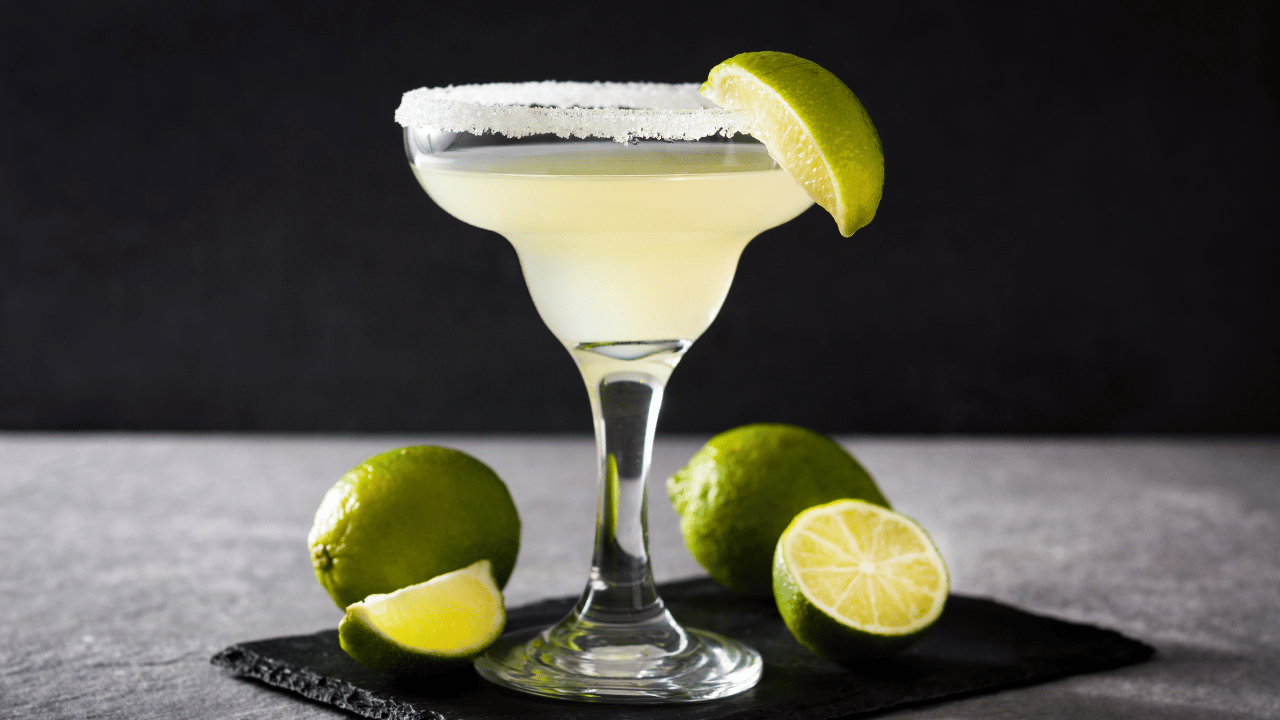
Unique Spirits & Tobacco Pairings
Pairing tobacco and spirits is about balancing body and aroma so neither element overpowers the other. In cigar-and-scotch sessions, match intensity: pair lightly peated scotch with mild cigars and reserve peaty, full-bodied malts for more substantial cigars, since peat and smoke can either accentuate or clash with a cigar’s wrapper and filler. Rum pairs nicely with tropical and spiced foods that echo molasses, caramel, and spice: think grilled pineapple, jerk seasoning, or caramelized banana. Taste order and etiquette, from lighter to heavier, help guests appreciate how flavors evolve between tobacco and spirit.
Pairing Scotch and Cigars
Start with intensity mapping: begin with lighter whiskies and mild cigars, then progress to fuller-bodied malts and richer cigars so each step reveals new interactions. Consider aroma compatibility: peat and smoke pair with earthy cigar notes while sherried, sweeter scotches enhance cocoa- or raisin-forward cigars, so choose matches that either mirror or thoughtfully contrast. Tasting order matters: cleanse the palate with water and neutral snacks between pairings, and advise guests to take small spirit sips between cigar draws to notice how smoke and spirit play together.
Rum and Tropical Food Pairings
Rums range from light and floral to dark and molasses-driven, so pair accordingly: light rums with ceviche and citrusy seafood highlight delicate esters; spiced rums boost grilled pineapple and jerk-seasoned meats with complementary caramel and spice notes. Dark rums, rich with caramel and fig-like layers, excel with caramelized banana desserts, rum cake, or molasses-glazed pork; accentuating shared sweetness and toasted flavors. For dessert matches, try rums neat or gently warmed to reveal aromatic depth.
Guidelines for tobacco-and-spirit sessions:
Order by intensity: Move from light to full-bodied for both spirit and tobacco.
Match or complement aromas: Pair smoke with peat, sweetness with dessert notes.
Use small portions and palate cleansers: Water and neutral crackers reset the palate.
Following these guidelines keeps sessions enjoyable and educational, and sets you up to plan a full pairing tasting.
How to Host a Successful Food & Drink Pairing Tasting
A well-run tasting needs a clear theme, controlled pours, and good pacing to avoid palate fatigue and maximize discovery. Pick a manageable focus, craft beer styles, a steak-and-red-wine menu, or a bourbon-dessert flight, and select four to six pairings that illustrate contrasts or an intensity progression. Prepare short tasting notes and place cards so guests understand why each match works, and space palate cleansers like water, plain crackers, and neutral vegetables between courses. Small logistical details, proper glassware, correct serving temperatures, and readable lighting for labels, make the evening feel polished and educational.
Expert Tips for Planning the Event
Focus on portion control, pacing, and clear cues so guests taste deliberately and learn as they go: serve small tasting pours with bite-sized paired foods to encourage comparison without overindulgence. Label each pairing with friendly tasting notes and a short rationale, and consider a moderator or host to explain the mechanics behind each match. Work with local producers for ingredient sourcing or product samples to highlight regional flavors. If you need help sourcing samples or curating a flight, Whiskey Tango's Beer and Spirits offers guidance and can support event sourcing to simplify planning.
Want help with logistics or bottle selection? Whiskey Tango's hosts tastings and provides event guidance, making it easy for local hosts to assemble curated flights and source matching bites from Ozark vendors. Partnering with a local retailer streamlines planning and enhances guest discovery with staff recommendations and guided tasting notes.
Seasonal & Holiday Pairing Ideas
Seasonal themes make pairings feel timely and approachable: winter events favor rich stouts, aged bourbon, and slow-roasted meats paired with chocolate and spiced desserts; summer tastings suit crisp pilsners, chilled whites, and seafood small plates. Holidays work well with sparkling and fortified wines paired with salty or sweet bites for celebratory contrasts, while fall showcases amber ales, pumpkin-spiced dishes, and nut-forward desserts that echo malt sweetness. Build menus that move from light to heavy and serve consistent bite-size portions so the night flows smoothly.
Seasonal pairing themes to consider:
Winter Warmers: Stout or aged bourbon with braised beef and chocolate.
Summer Light Pairings: Pilsner and Sauvignon Blanc with grilled seafood and salads.
Holiday Bubbles: Sparkling wines with salty canapés and festive desserts.
Planning a seasonal or holiday tasting? Book a consultation or tasting night to preview pairings and finalize menus with local recommendations from Whiskey Tango's staff so guests enjoy thoughtfully curated combinations.
This guide supports Whiskey Tango's resources and events, and can help you plan an in-store tasting, shop for bottles to pair at home, or book custom pairing assistance for your next gathering.
Create Memorable Gatherings
Learning to pair food and drink gives you a simple way to elevate everyday meals and create memorable gatherings. With the basic principles of intensity, balance, and texture in your toolkit, you’ll be able to choose beverages that genuinely enhance a dish. Explore our curated selection of craft beers, wines, and spirits at Whiskey Tango's Beer and Spirits to find bottles that bring these pairings to life. Start tasting, trust your palate, and surprise your guests with thoughtful matches.
