Discover Unique Flavors in Sipping Spirits Exploration
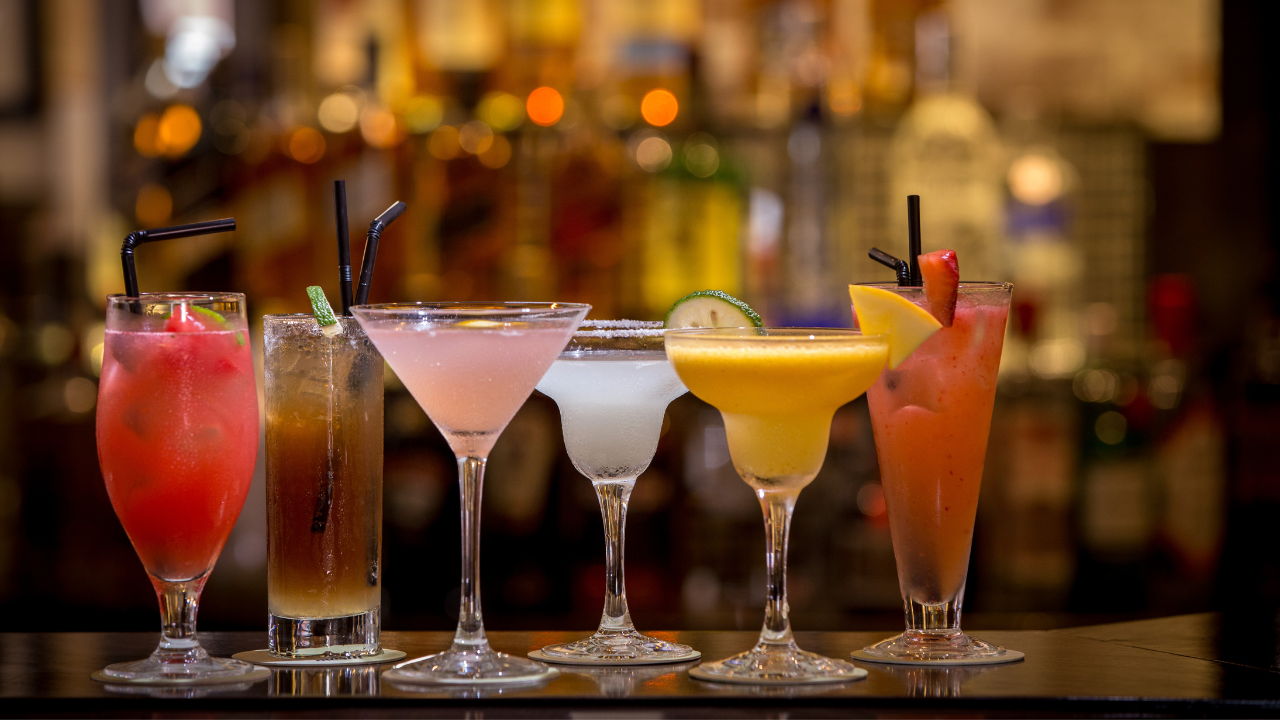
Every sip of a spirit tells a story of ingredients, distillation, and aging that influence your tasting experience. In this guide to sipping spirits flavor exploration, you’ll uncover how aroma, palate, and finish combine to create sweet, smoky, fruity, spicy, and herbal notes across whiskey, rum, gin, tequila, mezcal, vodka, and brandy. Whether you’re browsing the “Whiskey Tango Store homepage” for a new favorite or sampling at home, you’ll learn to identify key flavor categories, regional distinctions, botanical complexity, subtle nuances, and expert tasting techniques—all designed to enhance discovery and drive confident purchases in Ozark, MO, or online.
TL;DR
Explore Core Flavors: Understand sweet, smoky, fruity, spicy, and herbal notes in spirits.
Master Tasting Elements: Learn how aroma, palate, and finish shape your experience.
Discover Spirit Categories: Differentiate flavors across whiskey, rum, gin, tequila, mezcal, vodka, and brandy.
Identify Key Distinctions: Recognize regional variations, botanical complexities, and subtle nuances.
Enhance Your Journey: Apply expert tasting techniques for confident purchases and deeper discovery.
With expert local guidance and a diverse inventory at Whiskey Tango Store, you’ll taste deeper, shop smarter, and join a community of flavor explorers.
What Are the Key Flavor Profiles to Expect When Sipping Spirits?
Spirits present distinct flavor profiles because of their base ingredients, production methods, and maturation—each contributing layered aromatics, taste, and finish. By understanding these core categories, you can predict and appreciate sweet, smoky, fruity, spicy, and herbal notes in nearly any bottle you try. To explore our full selection, be sure to “Shop our selection at Whiskey Tango Store” for whiskies, rums, gins, tequilas, and more.
Which Main Flavor Categories Define Spirits’ Tasting Notes?
Before diving into specific bottles, it helps to know the broad flavor groups:
Sweet — Vanilla, honey, caramel that emerge from barrel aging or sugarcane distillates.
Smoky — Peat, char, or wood smoke imparted during malting or barrel charring.
Fruity — Citrus, stone fruit, tropical fruit, or berry hints from yeast fermentation or barrel influence.
Spicy — Cinnamon, pepper, clove, rye grain accent that adds warmth and complexity.
Herbal — Juniper, coriander, mint, or anise botanicals that brighten aroma and palate.
These categories frame your expectations and prepare you to recognize nuanced interactions in aroma, palate, and finish.
How Do Aroma, Palate, and Finish Shape Spirit Flavors?
Aroma introduces the spirit’s character, allowing volatile compounds—like esters and phenols—to signal sweetness, fruit, or smoke. The palate delivers texture, body, and specific taste attributes, while the finish reveals lingering warmth, spice, or herbal echoes. Understanding nose→palate→finish guides you to articulate each sip’s full narrative.
Unraveling the chemosensory characteristics on different types of spirits based on sensory contours and quantitative targeted flavoromics analysis
This study employs both sensory evaluation and advanced quantitative flavoromics analysis to characterize the volatile compounds and sensory attributes across a range of spirits. It identifies key trace components and their impact on overall flavor perception, providing a chemical basis for the diverse taste profiles observed in different alcoholic beverages.This research directly supports the article's detailed exploration of distinct flavor categories and how aroma, palate, and finish are shaped by specific chemical compounds in various spirits, including the role of trace components in defining unique characteristics.
What Role Do Distillation and Aging Play in Flavor Development?
Distillation refines raw alcohol by concentrating congeners that influence aroma and taste. Aging in oak barrels introduces vanillin, tannins, and char-driven smoke. That combination of distillation method and maturation environment directly shapes sweet, woody, spicy, and smoky dimensions in your glass.
Flavour of Spirit Drinks: Raw Materials, Fermentation, Distillation, and Ageing
This research explores how the selection of raw materials, specific fermentation processes, distillation techniques, and subsequent aging in barrels collectively contribute to the complex and diverse flavor profiles found in various spirit drinks. It details the chemical transformations and interactions that lead to the development of distinct aromatic and taste characteristics, influencing notes such as sweetness, smokiness, fruitiness, and spiciness.This foundational research provides a comprehensive understanding of how the entire production process, from initial ingredients to final maturation, shapes the sweet, smoky, fruity, spicy, and herbal notes discussed throughout the article.
How Do Whiskey Flavor Profiles Differ by Type and Region?
Whiskey flavor variations emerge from grain bills, water sources, distillation techniques, and maturation climates. By comparing major styles, you’ll discover how regional heritage drives distinct tasting notes and textures.
What Distinguishes Bourbon’s Sweet and Caramel Notes?
Bourbon exhibits a flavor profile of sweet, caramel, and vanilla due to its corn-dominant mash bill and charred new oak barrels.
Bourbon → hasFlavorProfile → Sweet, Caramel, Vanilla
Bourbon → origin → Kentucky, USA
Bourbon → productionMethod → Minimum 51% corn
These attributes yield a rich, full-bodied spirit with warmth on the palate and a long, silky finish.
How Does Scotch Whisky’s Peaty and Smoky Aroma Vary by Region?
Scotch’s smoky character depends on regional peat levels:
Islay whiskies often deliver intense peat and sea spray.
Speyside drams lean toward lighter smoke with orchard fruit notes.
Highland expressions balance earthy smoke with honeyed malt.
Lowland styles may favor soft floral aromas over peat.
Regional terroir and barley kilning impart unique peat→smoke relationships that define each Scotch corridor.
What Spicy Characteristics Define Rye Whiskey?
Rye whiskey brings forward clove, black pepper, and cinnamon notes. A high-rye mash bill accentuates grain-driven spice and dry mouthfeel, providing a sharp palate that transitions to a warm, lingering finish.
How Is Irish Whiskey Known for Its Smooth and Fruity Flavors?
Irish whiskey often undergoes triple distillation, resulting in a light, smooth spirit with orchard fruit notes—green apple, pear, and soft citrus. Creamy malt undertones and minimal smoke create an approachable flavor profile that’s perfect neat or in cocktails.
What Tasting Notes Should You Expect from Rum Varieties?
Rum’s flavor arises from sugarcane type, fermentation, and barrel aging—revealing everything from molasses richness to bright tropical fruit.
How Do Dark Rums Exhibit Molasses, Caramel, and Tropical Fruit Flavors?
Dark rum delivers deep molasses sweetness, burnt sugar caramel, and ripe banana or pineapple fruitiness.
Rich and Intense Rums
Dark Rum is perhaps the most recognizable category, known for its characteristic flavors of molasses, caramel, and tropical fruit. What makes this variety special is its aging process; it is aged in charred oak barrels, which gives the spirit its deep color and smooth, woody undertones. For those seeking even more depth, Blackstrap rum offers a profile dominated by molasses, licorice, and spice. Its distinctive attribute is the use of double distillation, a technique employed to ensure maximum intensity and a heavy, syrupy body.
High-Strength Varieties
For a truly powerful experience, Overproof rum stands out with flavors of brown sugar, cherry, and oak. Unlike standard bottlings, this category is defined by a higher ABV (alcohol by volume). This high proof provides a bold flavor that remains prominent even when mixed into complex tiki cocktails or punches, ensuring the spirit's character isn't lost among juices and syrups.
These rich notes prepare you for the full-bodied mouthfeel and lingering warmth that dark rums provide.
What Are the Nuances of White Rum’s Clean and Subtle Sweetness?
White rum is distilled to highlight light sugarcane or molasses sweetness with minimal oak impact. Common tasting notes include grassy sugarcane, soft vanilla, and bright citrus that make it ideal for highball and tiki cocktails.
Which Spices and Ingredients Define Spiced Rum Flavors?
Spiced rum infusions bring cinnamon, clove, vanilla bean, and allspice to the forefront, layering botanical warmth on top of the base spirit’s sweetness.
How Can You Identify and Appreciate Gin’s Botanical Flavors?
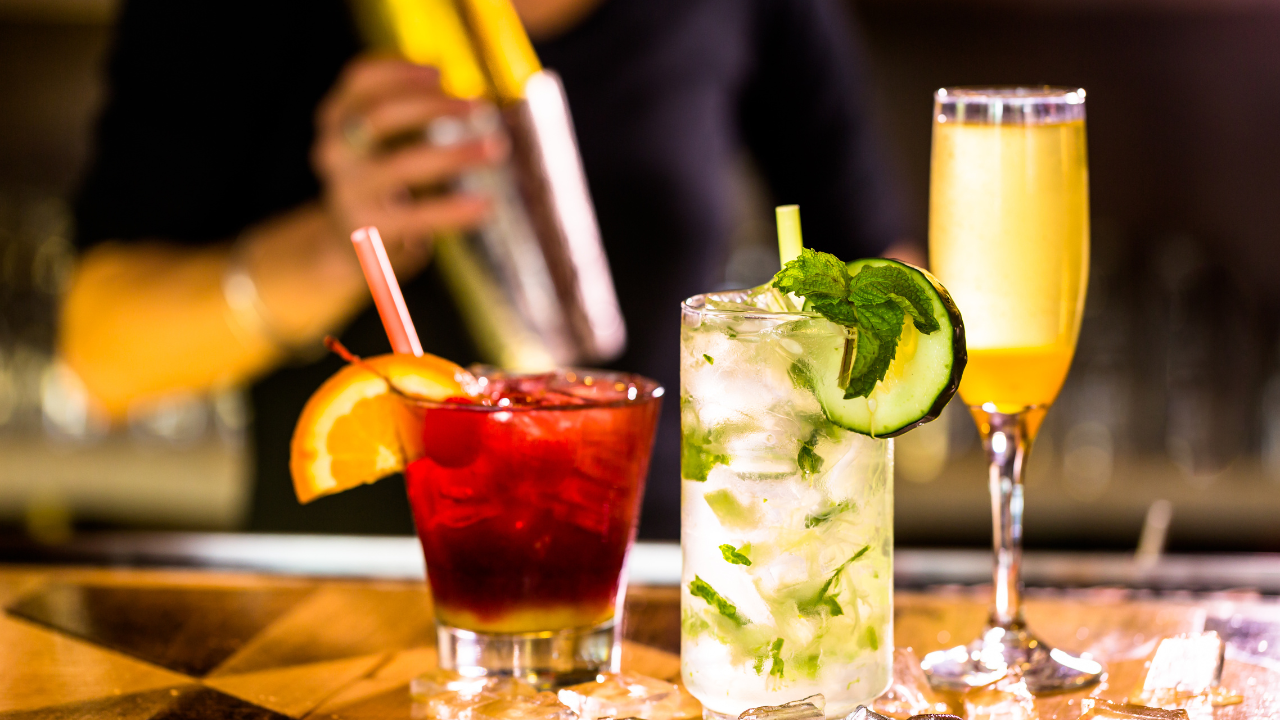
Gin’s signature style comes from a juniper base complemented by citrus peels, floral petals, and herbaceous botanicals.
What Are Juniper-Forward Gins and Their Piney, Resinous Notes?
Juniper-forward gins emphasize piney, resinous juniper berries as the dominant aromatic. These gins maintain a classic backbone that supports secondary citrus or spice botanicals.
How Do Citrus and Floral Botanicals Influence Gin’s Aroma?
Citrus peels—lemon, orange, grapefruit—and floral accents like rose or lavender add bright top notes, lifting the spirit with zesty and perfumed layers.
Which Herbal Botanicals Add Depth to Gin’s Flavor Profile?
Herbal elements such as coriander seed, angelica root, or orris impart earthy, peppery, and woody qualities that balance juniper’s intensity.
For a visual glimpse into gin botanicals, visit “Whiskey Tango Spirits on Instagram.”
What Flavors Define Tequila and Mezcal in the Agave Spirit Family?
Agave spirits showcase vegetal, earthy, and sometimes smoky characteristics depending on cooking, fermentation, and aging methods.
How Do Tequila Blanco, Reposado, and Añejo Differ in Flavor?
Tequila is categorized by the length of time it spends aging in barrels, a process that significantly transforms its color and complexity from a bright, herbal spirit to a rich, dessert-like experience.
The Pure Expression: Blanco
Blanco tequila is either completely unaged or aged for less than two months, resulting in a crystal-clear spirit that captures the purest essence of the plant. Its flavor highlights include the vibrant taste of fresh agave, often accompanied by bright citrus notes and a characteristic pepper finish. This makes it a favorite for those who enjoy the crisp, natural profile of the agave plant.
The Aged Varieties: Reposado and Añejo
As tequila rests in wood, it picks up softer, warmer characteristics from the barrel. Reposado, which translates to "rested," is aged for 2–12 months. This brief time in the wood introduces flavor highlights of light oak, vanilla, and spice, striking a balance between the raw agave of a blanco and the richness of older spirits.
For a deeper, more complex profile, Añejo tequila is aged for 1–3 years. This extended aging process mellows the spirit significantly, leaning into flavor highlights of caramel, toffee, and dried fruit. Because of its sophisticated and smooth character, it is often treated as a sipping spirit, much like a fine cognac or bourbon.
Aging depth → increases complexity from raw agave to rich barrel-driven sweetness.
What Smoky and Earthy Notes Are Characteristic of Mezcal?
Mezcal’s roasted agave hearts impart smoke, charcoal, and earthy root vegetable aromas that linger on the palate.
Which Agave Characteristics Influence Flavor Complexity?
Agave species, harvest maturity, and oven style shape flavor from grassy green to honeyed sweetness and mineral depth.
What Subtle Flavor Nuances Are Found in Vodka and Brandy?
Though often considered neutral, vodka and brandy reveal delicate sensory elements under scrutiny.
How Is Vodka Known for Its Smoothness and Subtle Taste Notes?
Vodka’s purity and filtration deliver a silky texture with hints of cream, grain, or faint citrus.
Smoothness → supports versatile cocktail applications
Clean profile → highlights mixer or garnish
What Fruit and Oak Profiles Define Brandy’s Aroma and Palate?
Brandy’s grape distillate and barrel aging yield dried fruit aromas—raisin, apricot—and oak-driven vanilla, nutmeg, and toasted almond notes on the finish.
How Can You Enhance Your Spirit Tasting Experience?
Tasting spirits effectively combines structured steps, thoughtful pairings, and expert insight.
What Is the Best Way to Taste Spirits: Nose, Palate, and Finish?
Nose — Swirl gently, inhale deeply to identify aromatic families.
Palate — Sip a small amount, hold on the tongue, note sweetness, spice, or fruit.
Finish — Observe aftertaste length, warmth, and evolving notes.
This approach promotes consistency and deeper flavor recognition.
Which Food and Cocktail Pairings Complement Spirit Flavors?
Bourbon & dark chocolate deepen caramel and smoke.
Gin & tonic with citrus garnish accentuates botanical brightness.
Tequila & grilled pineapple echo agave’s fruitiness.
Rum & tropical fruit salsa reinforce molasses sweetness.
These pairings boost enjoyment and reveal hidden nuances.
How Can Local Expertise from Whiskey Tango Store Help You Discover Flavors?
Our Ozark-based team offers tasting events, personalized recommendations, and curated collections to align flavor profiles with your palate. Explore upcoming “Whiskey Tango Store events” for guided flights and masterclasses that turn tasting into discovery.
Explore The Full Journey
Tasting spirits becomes a journey through sweet vanillas, smoky peat, bright botanicals, and spiced warmth when you learn to read aroma, palate, and finish. From Bourbon’s caramel embrace to Mezcal’s earthy smoke, each category brings a unique story worth exploring. With structured tasting methods, thoughtful pairings, and expert support at Whiskey Tango Store, you’ll unlock new favorites, deepen your community connections, and elevate every sip. Cheers to discovering the flavors you should expect and to making your next shopping trip one of informed delight.